
 Mambo Leo team
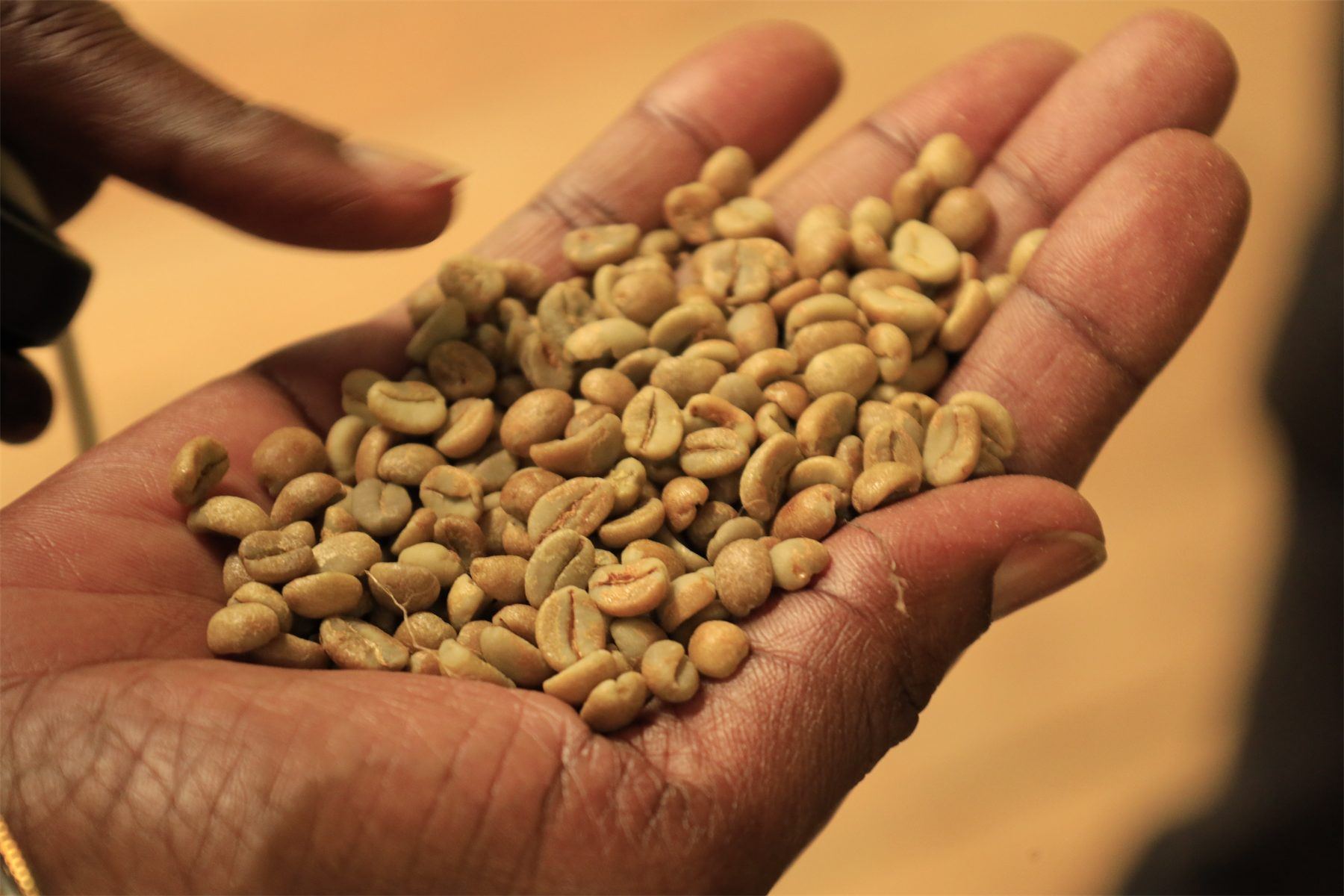
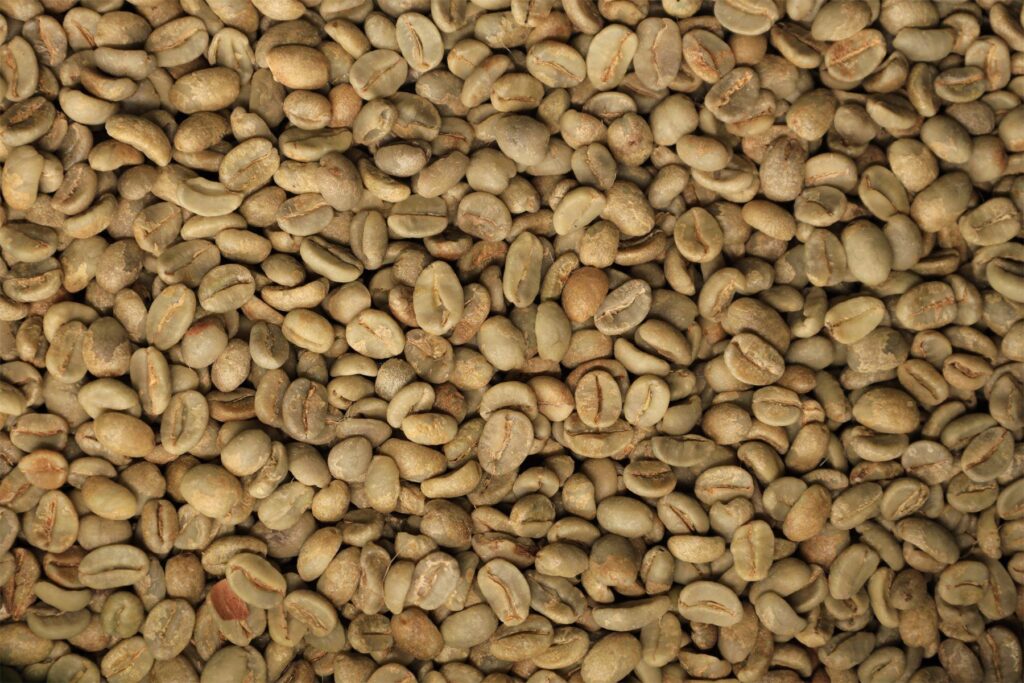
Ask a room of specialty roasters which origin they reach for when a menu needs lift, and Kenya comes up quickly. Kenyan green coffee is known for its bright, clean acidity, its layered fruit and its consistency from bag to bag. Those qualities are not an accident. They come from where the coffee grows, how it is processed and how it is graded before it leaves the country.
Altitude, volcanic soil and a steady climate
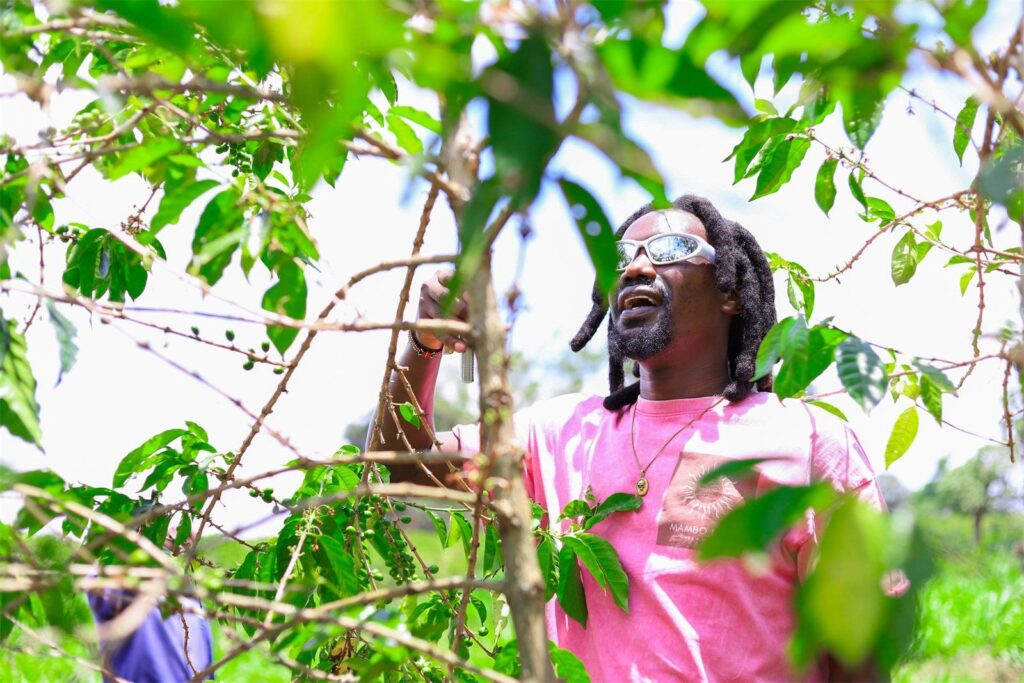
The coffee we supply is grown mainly in the Central and Rift Valley regions, between 1,500 and 2,100 metres above sea level. At that altitude, cool nights slow the ripening of the cherry. Slower ripening gives denser beans with more concentrated sugars and acids, which is where much of the flavour comes from.
The soils in both regions are rich and volcanic, and the climate is consistent from season to season. For a roaster that means fewer surprises between shipments and a profile you can build a recipe around. You can read more about each region on our Coffee Origins page.

A cup you can recognise
On the cupping table, our Kenyan lots tend to show bright, clean acidity with notes of citrus, blackcurrant, tangerine and caramel. Body sits between medium and full, depending on how you roast. That combination works on its own as a single origin filter, and it adds sparkle when a small amount goes into an espresso blend.
Grading that does the sorting for you
Kenyan coffee is graded by bean size before export: AA, AB, PB (peaberry) and C. Sorting by size helps the beans roast evenly, because beans of similar size and density take on heat at a similar rate. If you are deciding between grades, our guide to Kenyan coffee grades explains what each one is best for.
Washed processing and careful drying
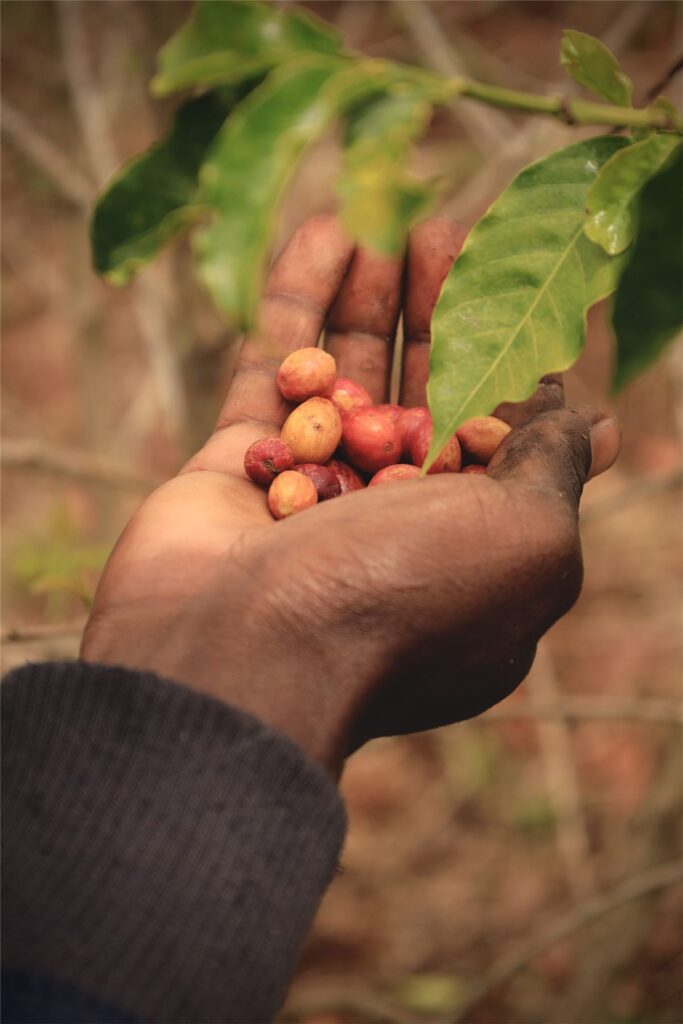
Most Kenyan coffee is fully washed. Ripe cherries are pulped at cooperative washing stations, fermented, washed in clean water and then dried slowly on raised beds until the moisture content reaches about 11%. Washing removes the fruit before drying, which is a big part of why the cup tastes so clean and defined.
What Mambo Leo adds
We are an Australia-based supplier working directly with farmer cooperatives and estates in Kenya. For roasters, that relationship shows up in a few practical ways:
- Specialty grade only. Every lot is cupped before export, and we only ship coffee scoring 82 or above.
- Full traceability. Each sample comes with a sheet listing the region, cooperative, harvest window, grade and cupping notes.
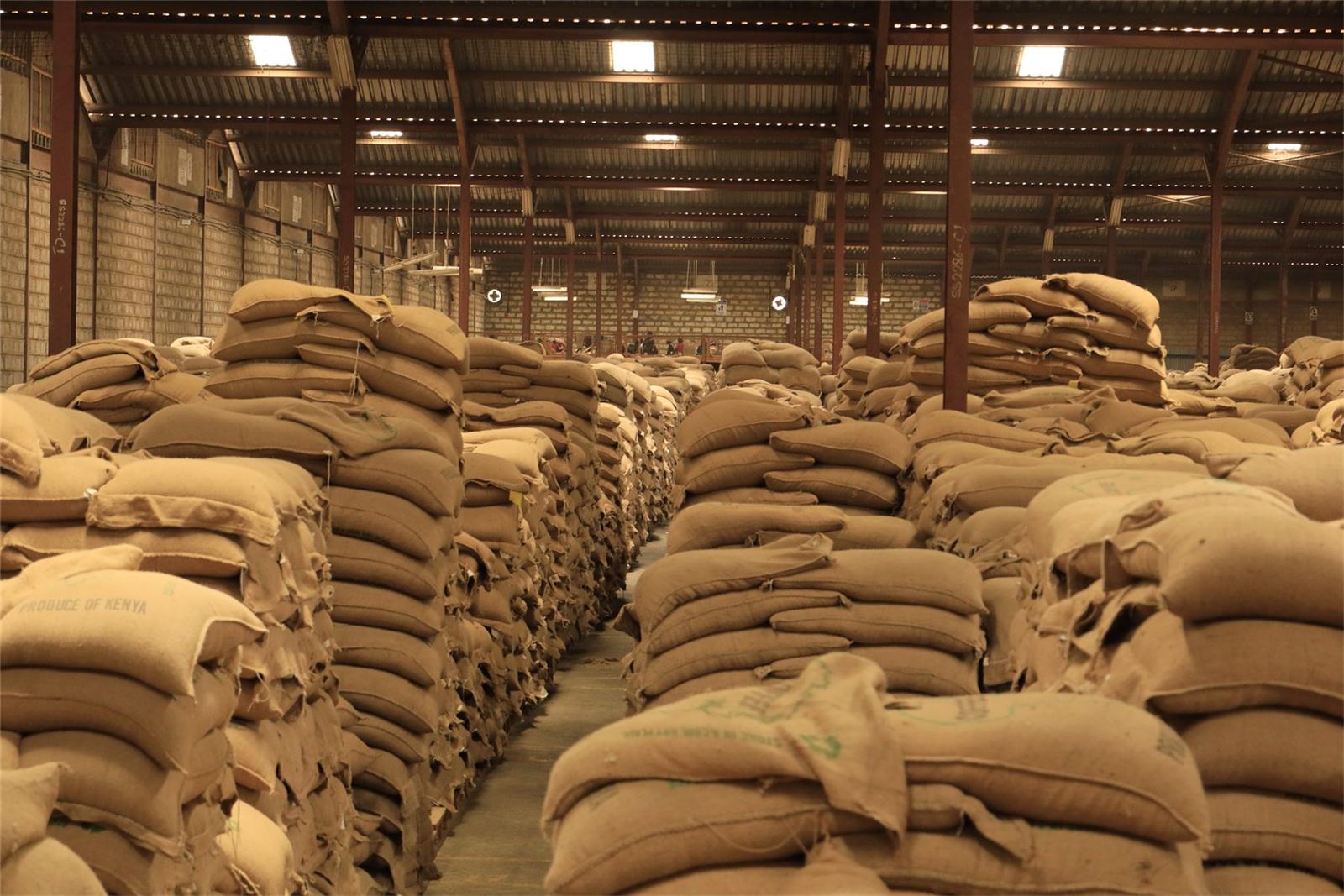
- Practical packaging. Standard 60 kg jute bags compliant with Kenyan Export Standards, with hermetic and vacuum-sealed options on request.
- Clear minimums. Orders start at 1,000 kg, and a full container holds 320 bags (19,200 kg).
- Coffee that gives back. A share of our profits is reinvested in training and opportunities for women and youth in the communities that grow it.
The quality of their Kenyan green beans is unmatched: bright acidity, rich flavours, and full traceability.
James Carter, Head Roaster, Sydney Artisan Coffee Roasters
Taste it on your own table
The best way to judge a coffee is to roast it. Request a sample and we will send green samples per grade with the current offer list and the traceability sheet for each lot. We reply within two business days.