
 Mambo Leo team

Kenyan coffee is recognised for its rich flavours, high acidity and vibrant aroma. Every one of those qualities is shaped along the way, from the moment a cherry ripens on the tree to the moment a bag of green coffee arrives at an Australian roastery. Here is that journey, step by step.
1. Highland farms
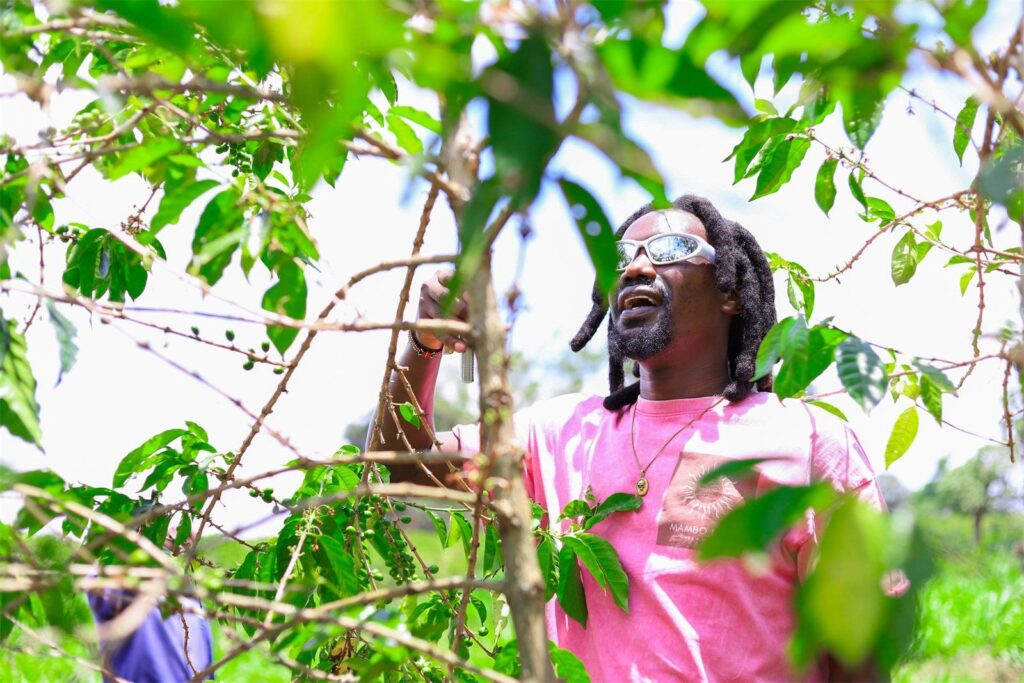
Our coffee grows on smallholder farms and estates in the Central and Rift Valley regions, between 1,500 and 2,100 metres. Rich volcanic soil and a consistent climate let the cherries ripen slowly, which builds the sugars and acidity Kenya is known for.
2. Selective harvest
Cherries are picked by hand, and only the ripe red ones make the cut. Pickers return to the same trees several times as the harvest progresses. The cherry is delivered to the cooperative washing station on the day it is picked.
3. Pulping, fermentation and washing

At the washing station the skin and most of the fruit are removed by a pulping machine. The beans, still coated in sticky mucilage, rest in fermentation tanks before being washed in clean water. What is left is coffee in parchment: the bean protected by a thin papery layer.
4. Drying on raised beds
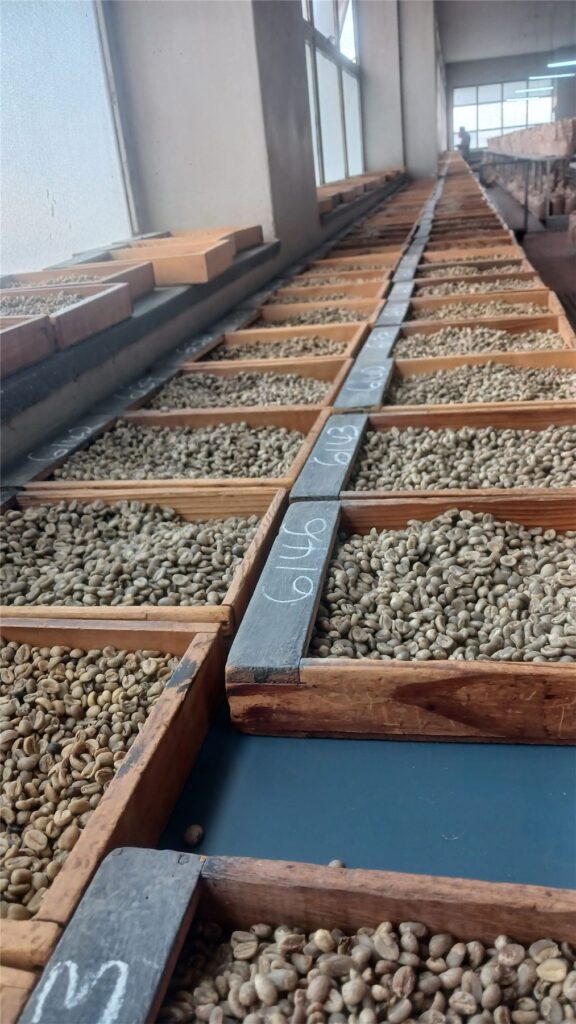
The parchment coffee is spread out on raised drying beds and turned regularly so it dries evenly in the sun. It is ready when the moisture content reaches about 11%, the level that keeps green coffee stable on its way to you.
5. Milling and grading
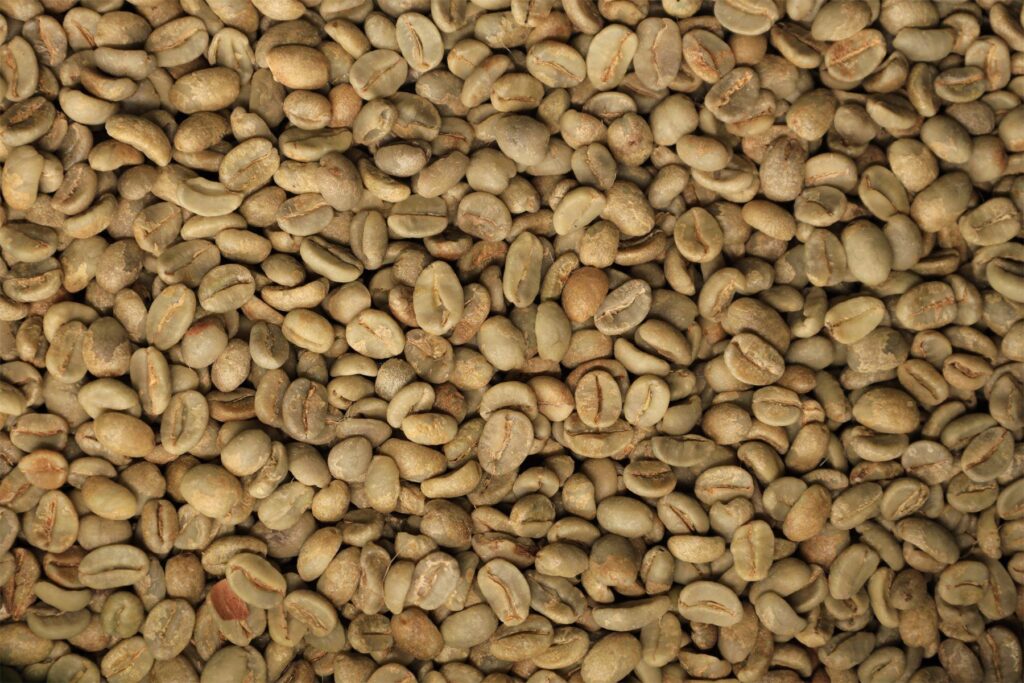
After resting, the parchment is hulled at the mill. The green beans are then graded by size into AA, AB, PB (peaberry) and C, and sorted by hand to remove defects.
6. Cupping
Every lot is roasted lightly and cupped by professional graders before export. We only ship lots that score 82 or above, the specialty standard. The cupping notes become part of the traceability sheet that travels with each sample.

7. Packing and export
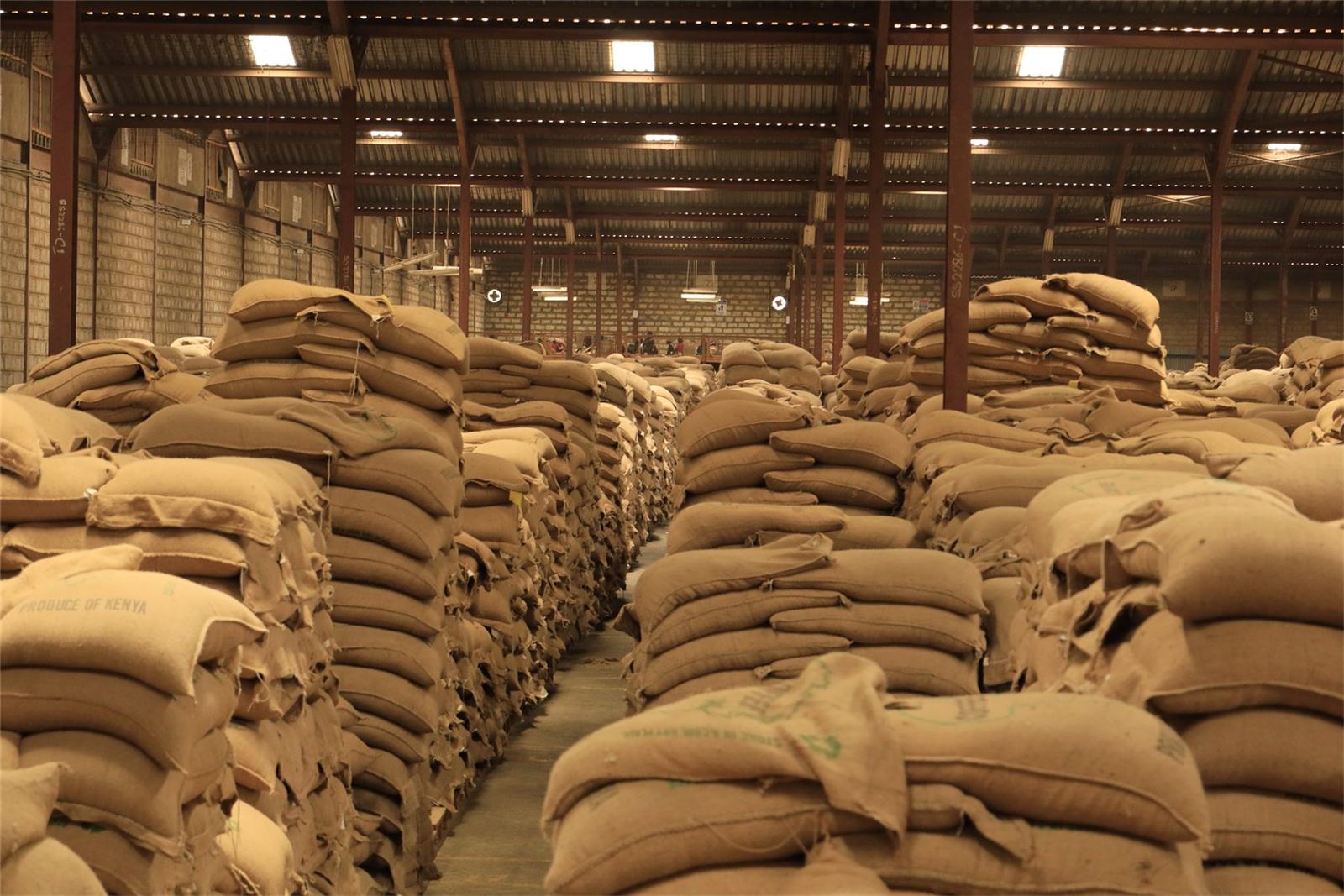
Graded coffee is packed in 60 kg jute bags that meet Kenyan Export Standards. Hermetic and vacuum-sealed packaging is available on request for roasters who want extra protection for long storage. From the export warehouse, the bags are shipped to Sydney.
8. Your roastery
When your order arrives, you know exactly where it came from: the region, the cooperative, the harvest window and how it cupped. That is the traceability we promise on every bag.
Explore the regions on our Coffee Origins page, or request a sample to see the result for yourself.