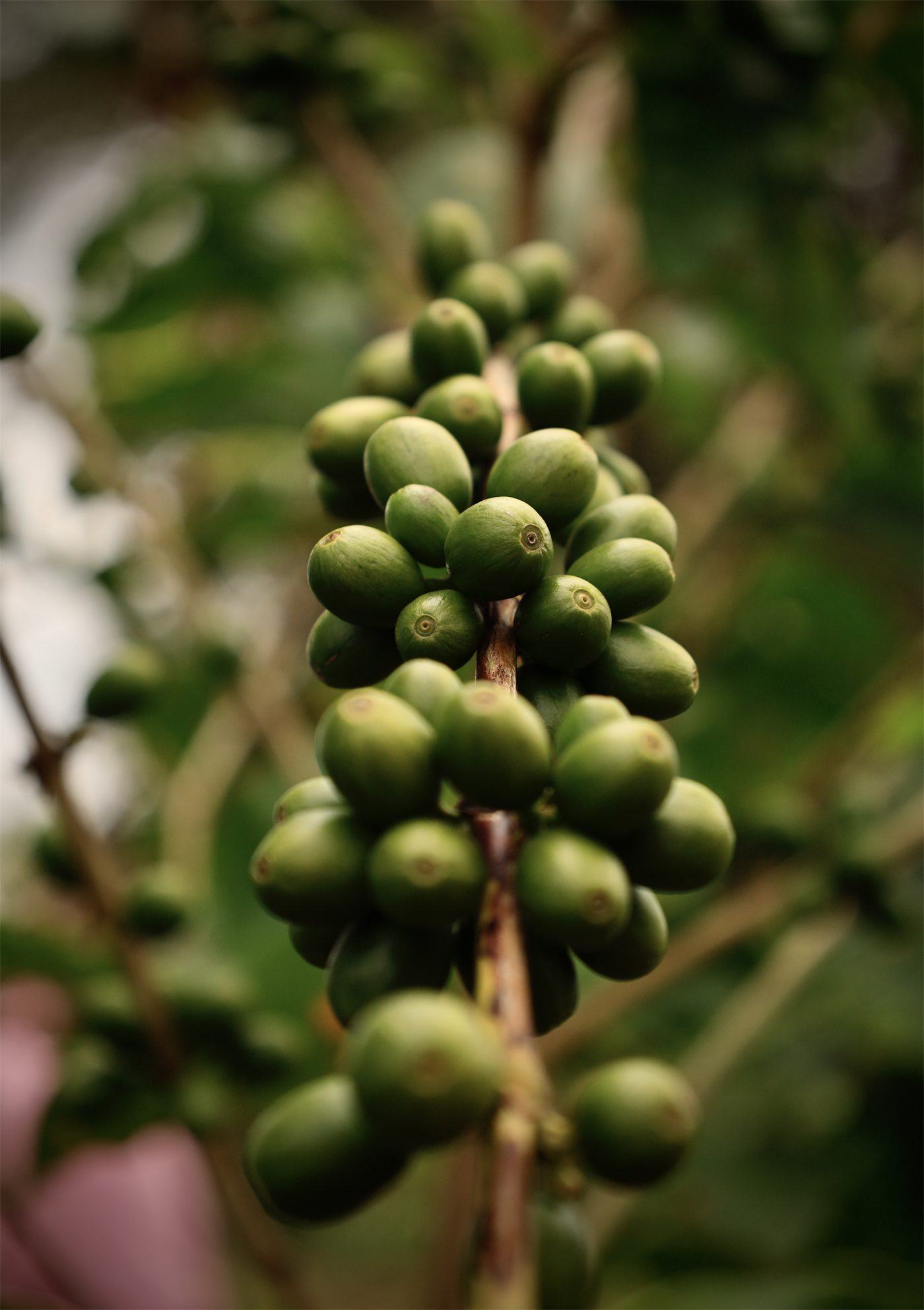

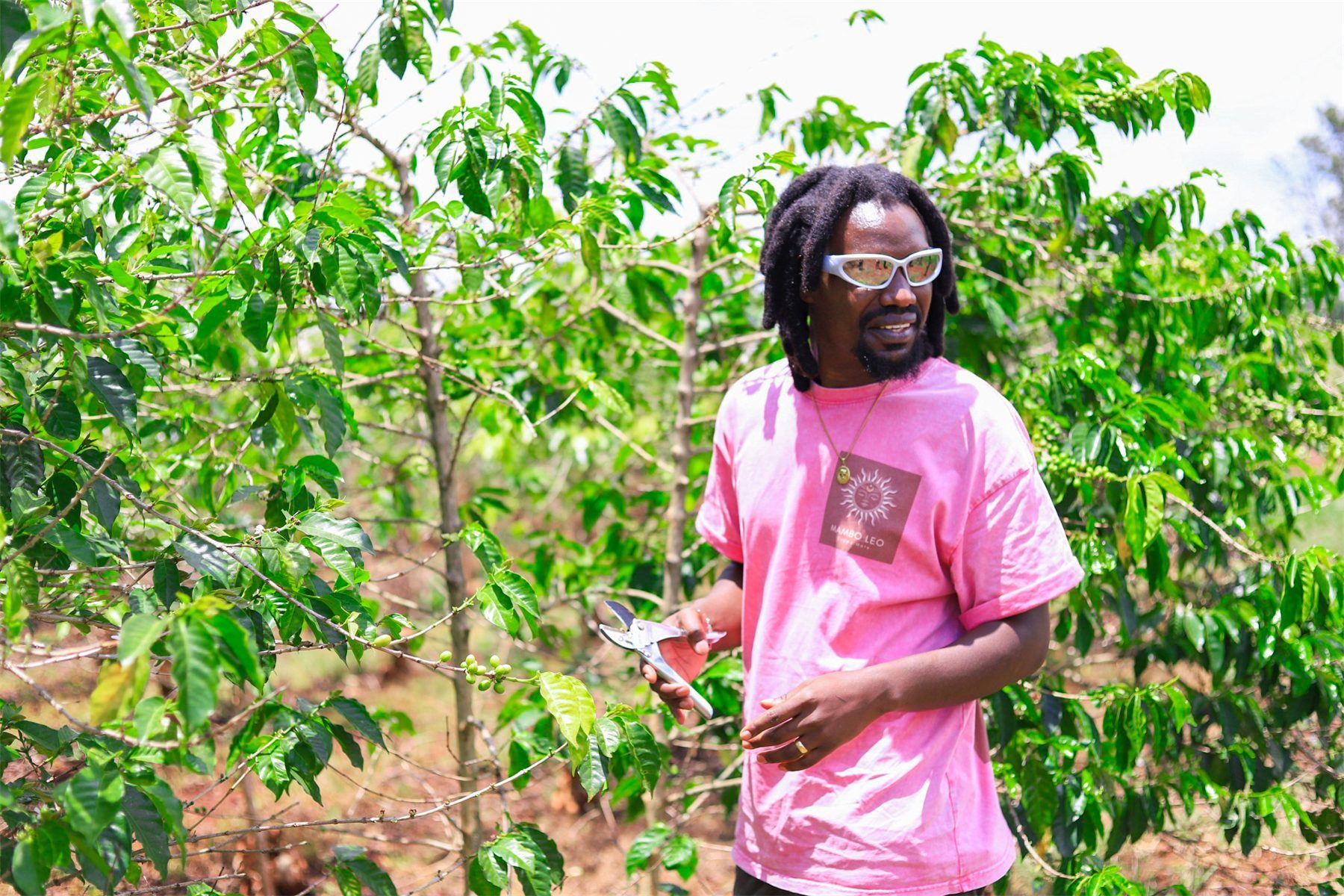
A hand reaching for green coffee cherries on a Kenyan coffee tree

Coffee origins

Grown between 1,500 and 2,100 metres

Specialty-grade AA, AB, PB and C lots from the Central and Rift Valley highlands of Kenya, known for ideal growing altitudes, rich volcanic soils and a consistent climate.

  • 2,100m

    Highest farms (from 1,500 m)

  • 4

    Grades: AA, AB, PB and C

  • 11%

    Moisture content at export

  • 82+

    Minimum cupping score (specialty)

Where it grows

Two regions, one signature cup

We source green coffee primarily from the Central and Rift Valley regions of Kenya. Both are known for ideal growing altitudes, rich volcanic soils and a consistent climate.

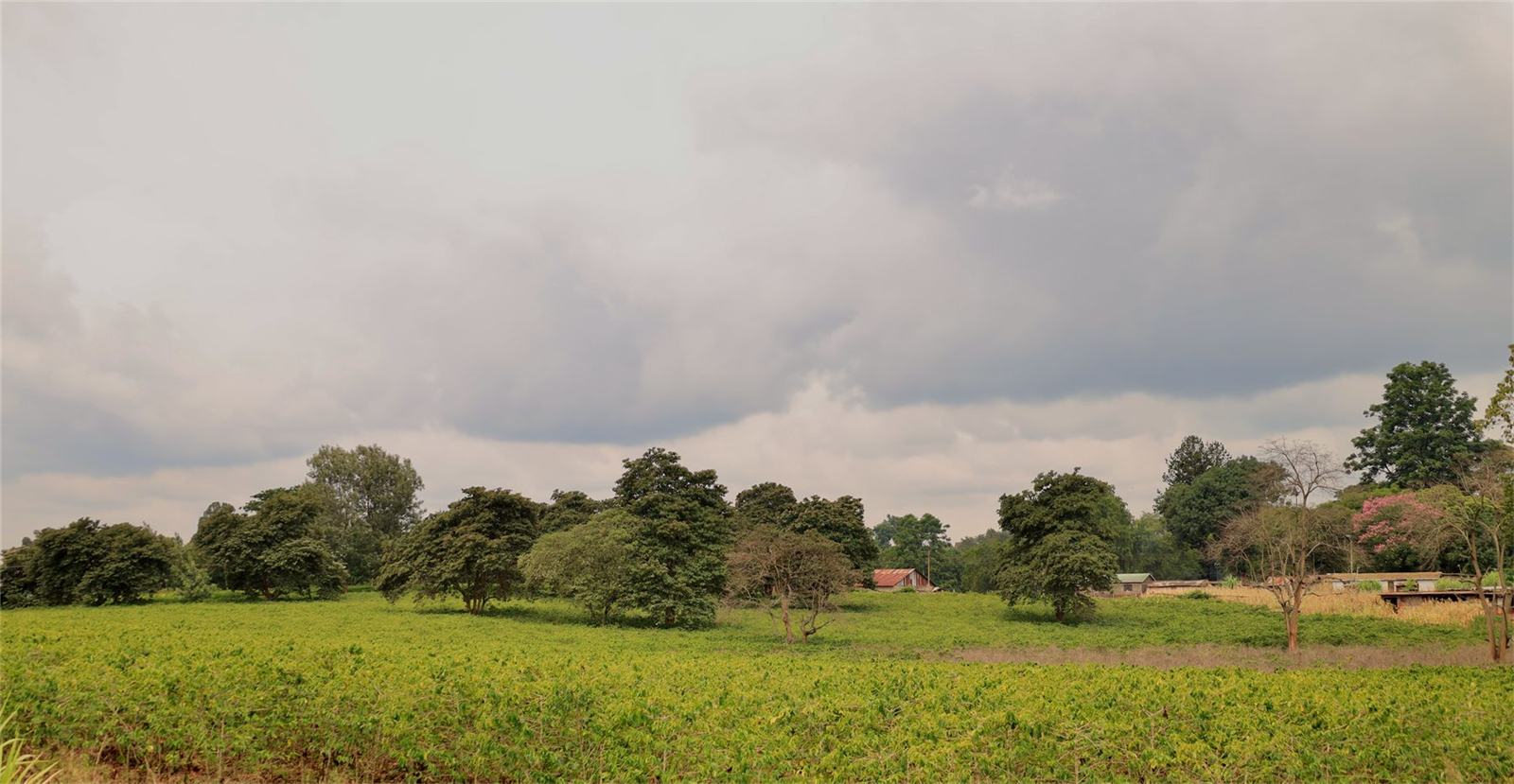
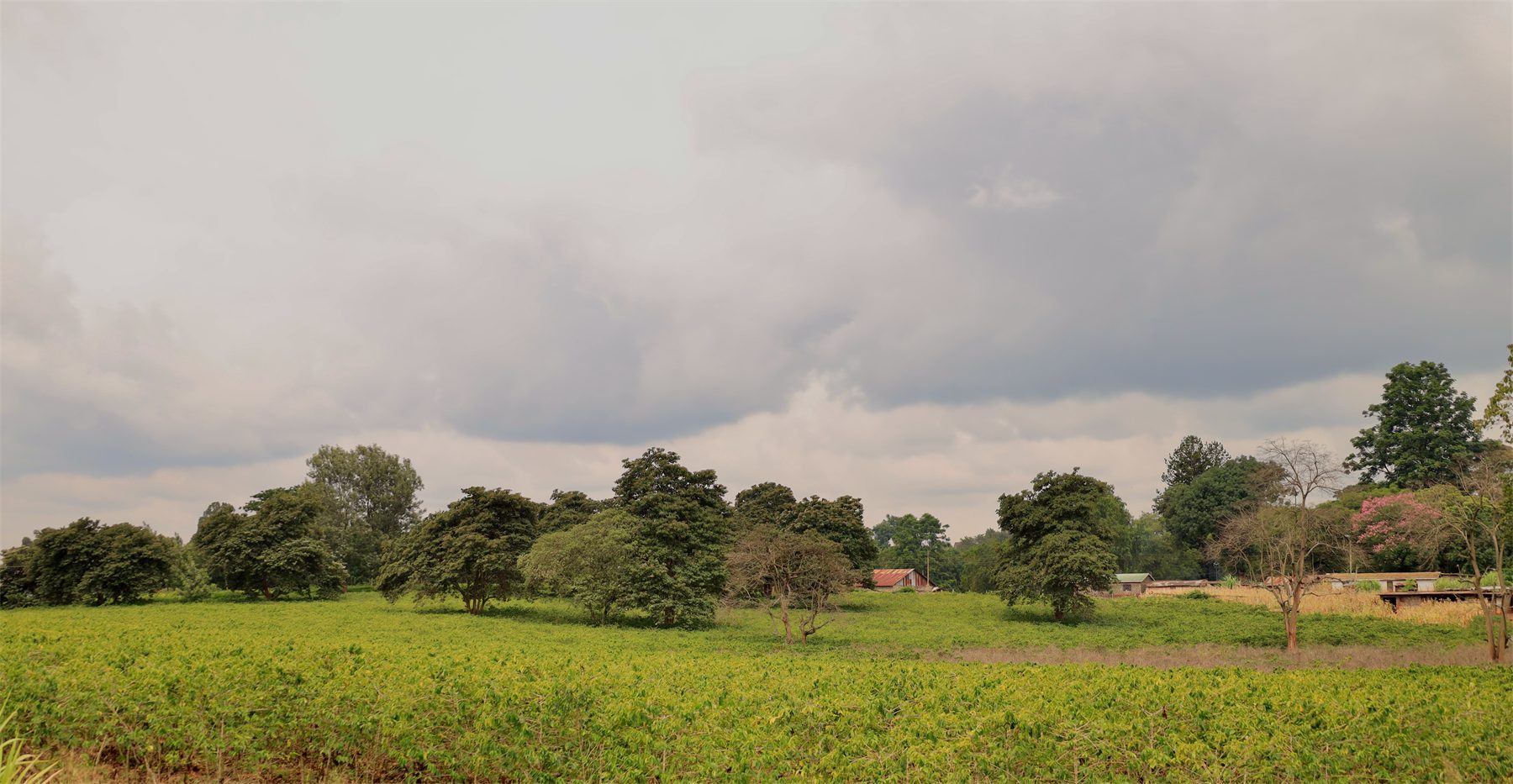
Green coffee farmland in the Kenyan highlands under a cloudy sky Region 01

Central Kenya

Kenya's best-known coffee country, on the fertile highland slopes around Mount Kenya and the Aberdare range. Smallholder farmers deliver cherry to cooperative washing stations, where it is pulped, fermented, washed and dried on raised beds.

Altitude
1,500 – 2,100 m
Soil
Rich volcanic
Process
Fully washed
Cup
Bright, citrus, blackcurrant
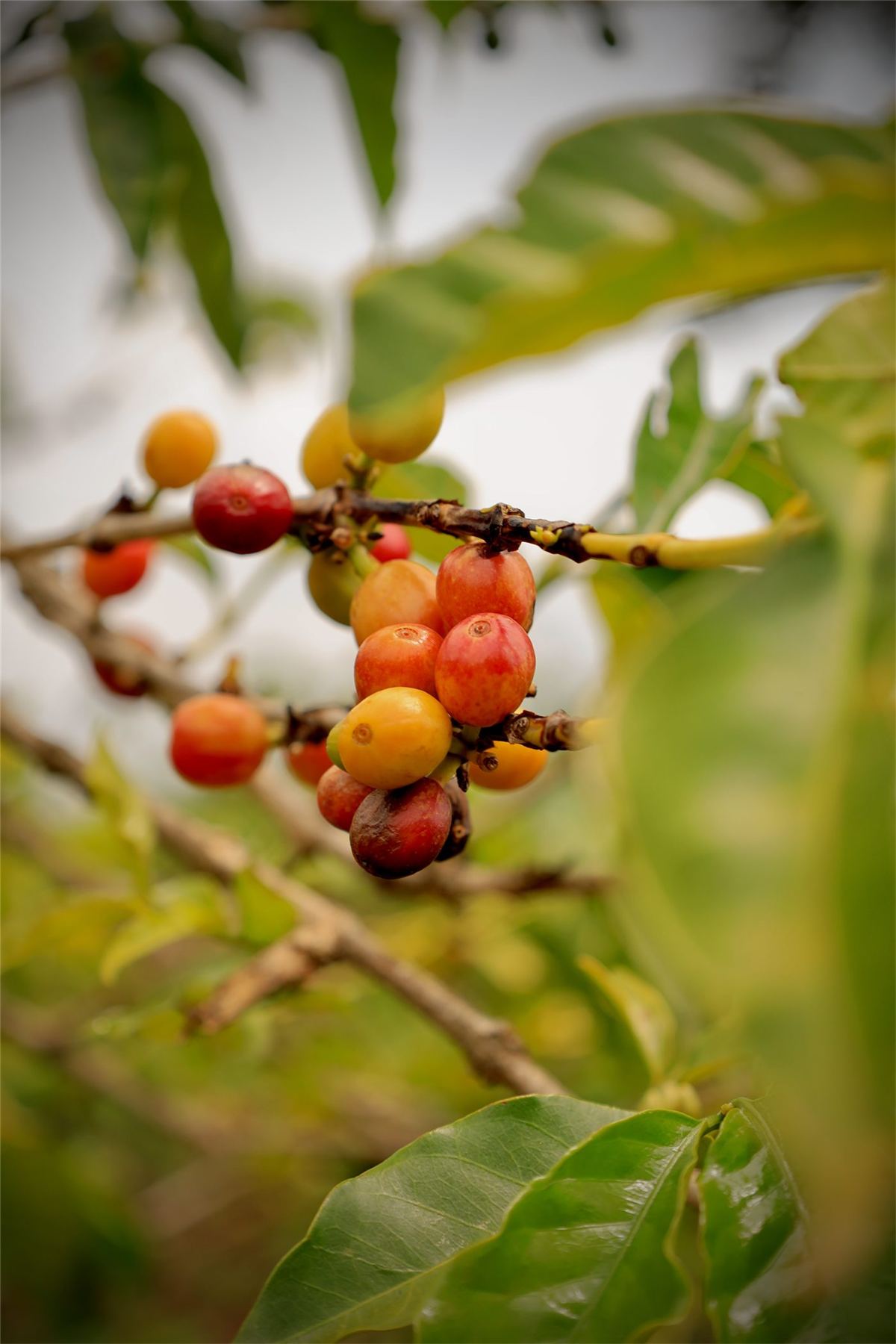
Coffee cherries ripening from green to red on the branch Region 02

Rift Valley

High plateaus and ridges along the Great Rift Valley, where cool nights and steady rainfall let cherries ripen slowly. Estates and cooperatives here produce dense, sweet coffees with a clean finish.

Altitude
1,500 – 2,100 m
Soil
Volcanic, well drained
Process
Fully washed
Cup
Caramel, tangerine, clean

Exact regions, cooperatives and harvest windows vary by lot. Every sample comes with its own traceability sheet.

Grades & cup profile

Specialty-grade lots from the Kenyan highlands

We source primarily from the Central and Rift Valley regions, where high altitude, rich volcanic soils and a consistent climate produce the bright, complex cup Kenya is famous for.

A dense cluster of green coffee cherries ripening on a Kenyan coffee tree
Harvest to exportEvery lot is cupped and graded before it leaves Kenya.
Altitude
1,500 – 2,100 m
Grades
AA · AB · PB · C
Moisture
11%
Cupping score
82+ Specialty standard
Acidity
Bright and clean
Body
Medium – dark depending on roast

Grades we supply

Kenyan screen-size grading

AA

The benchmark Kenyan grade

Largest screen size (17/18). Full-bodied, intensely bright, with blackcurrant and citrus complexity. The lot roasters build a single origin around.

Single origin · Filter
AB

Balanced and versatile

Screen 15/16. Sweet, balanced acidity and body at a sharper price point. Equally at home as a single origin or the backbone of a blend.

Single origin · Espresso blends
PB

Peaberry

One rounded bean per cherry instead of two. Dense, even-roasting and vibrant, with a concentrated tangerine sweetness.

Limited volumes
C

Clean commercial grade

Smaller screen with the same traceable sourcing. A clean, approachable Kenyan component for blends and larger volume roasting.

Blends · Volume
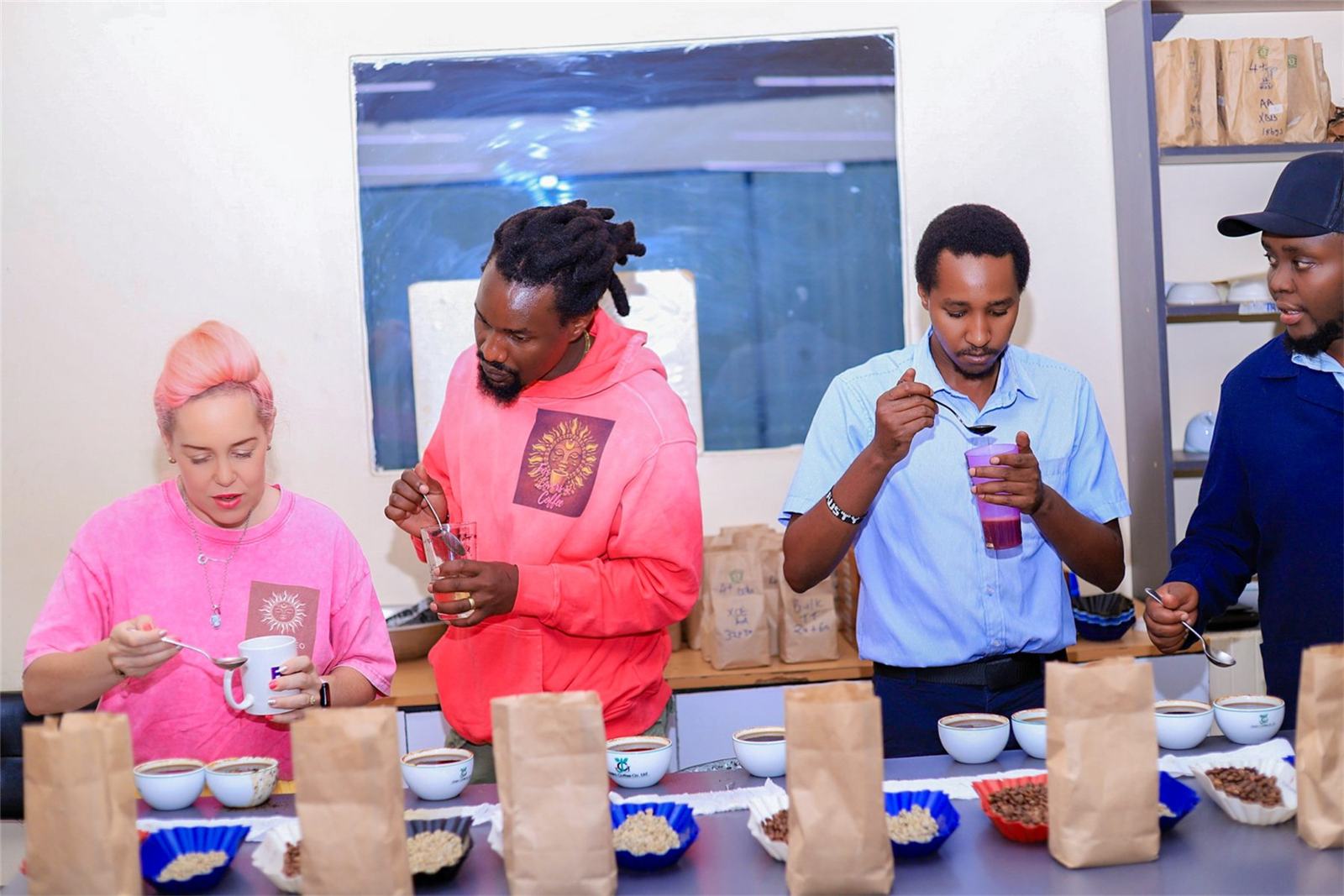
Coffee samples on the cupping table with professional graders in Kenya

Cupping notes · 82+ SCA

What you'll taste.

The cup profile our Kenyan lots share, drawn from cupping sessions with professional graders at origin. Notes vary by lot and grade, and every sample comes with its own traceability sheet.

  • Blackcurrant Primary
  • Citrus Primary
  • Tangerine Secondary
  • Caramel Sweetness
  • Bright & clean Acidity
  • Medium to dark Body
Primary
Dominant flavour
Secondary
Supporting note
Sweetness
Sugar perception
Acidity
Brightness
Body
Mouthfeel, by roast

Traceability

Every bag, followed from farm to roastery

We work directly with cooperatives, so we can tell you which region, which washing station and which harvest your coffee came from. These are the five stages each lot passes through.

  1. Green Kenyan coffee farm landscape under a cloudy highland sky
    1

    Highland farms

    Smallholder cooperatives and estates between 1,500 and 2,100 m in the Central and Rift Valley regions.

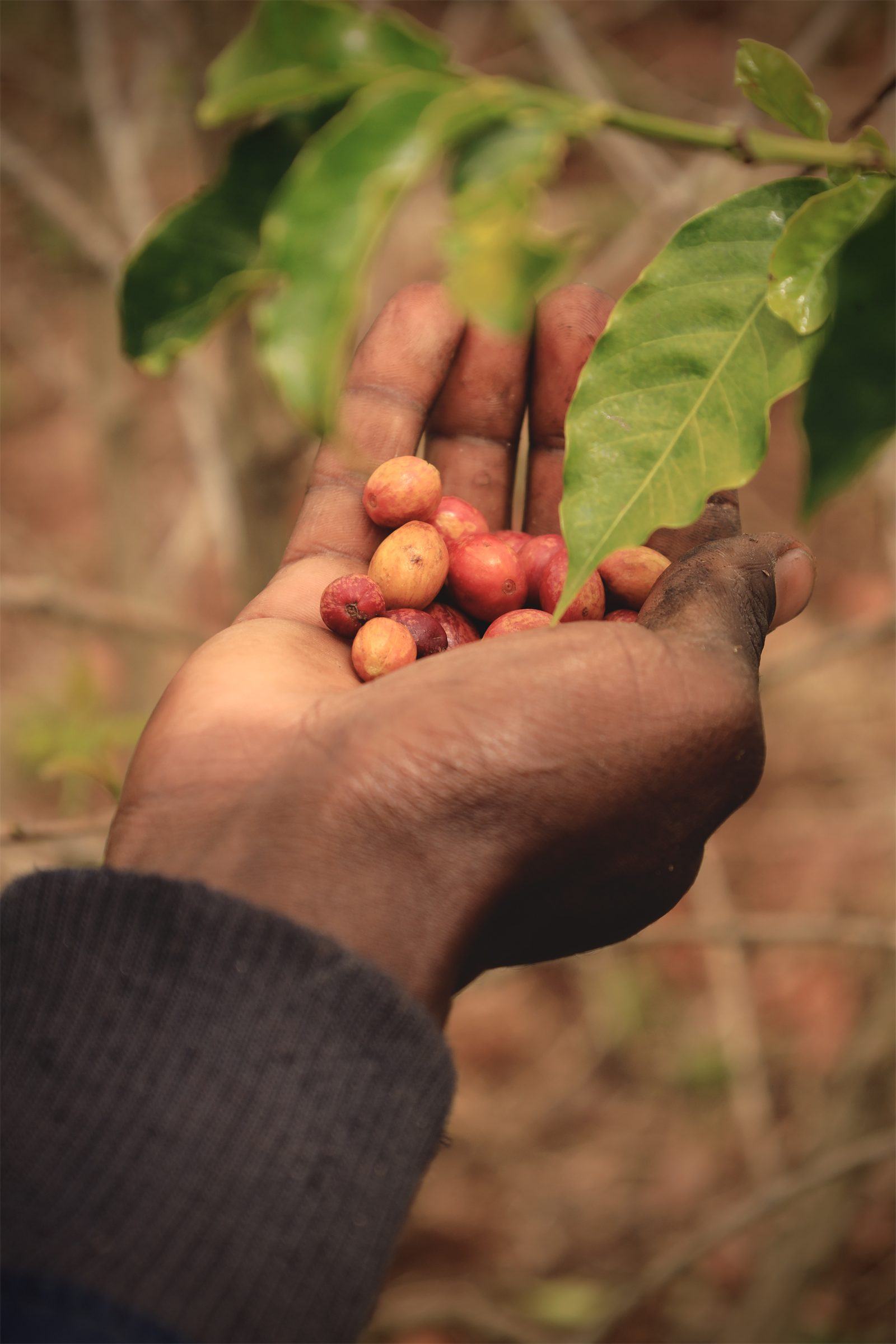
  2. A farmer's hand holding freshly picked red coffee cherries
    2

    Selective harvest

    Only ripe cherries are hand-picked, then pulped and washed at the cooperative station within hours.

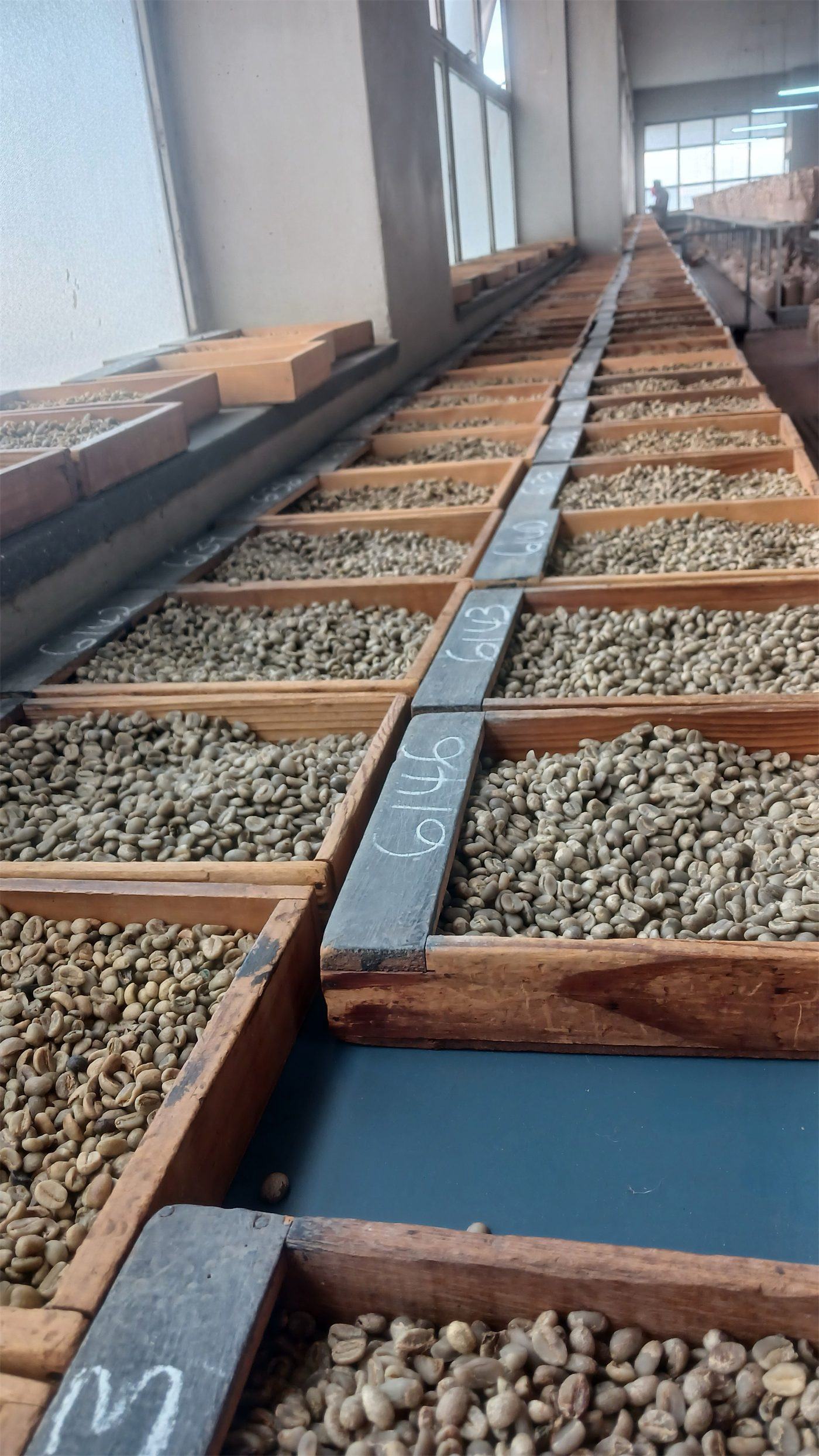
  3. Parchment coffee drying on raised beds
    3

    Sun drying & milling

    Parchment is dried on raised beds to 11% moisture, rested, then milled and screened into AA, AB, PB and C.

  4. Mambo Leo founders cupping coffee samples with professional graders at a lab in Kenya
    4

    Cupped & graded

    Women and youth on our quality team cup every lot. Nothing under 82 points is offered to our roasters.

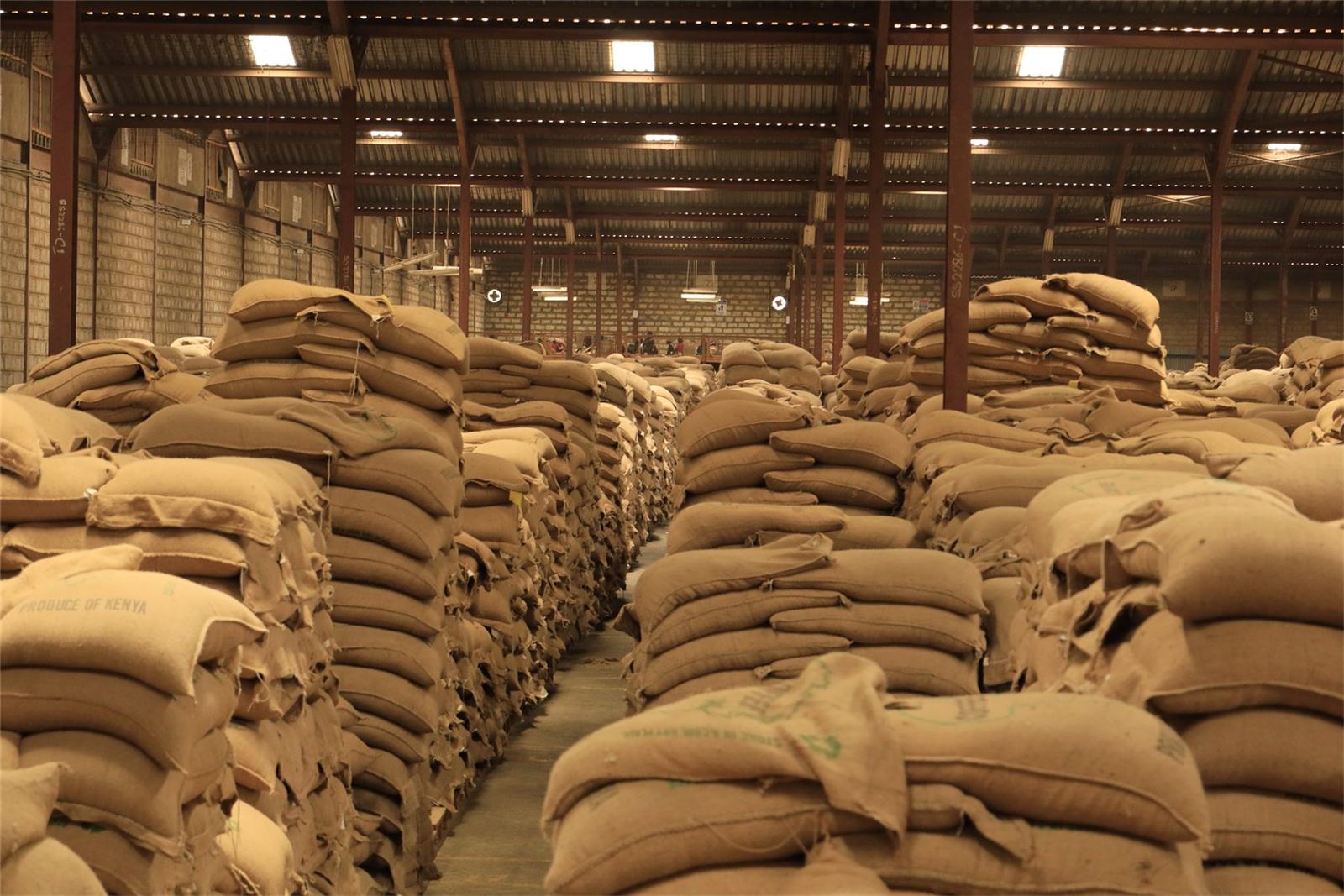
  5. Rows of 60 kg jute coffee bags stacked in an export warehouse
    5

    Export to Australia

    Packed in 60 kg jute or hermetic bags to Kenyan Export Standards and shipped to Sydney for your roastery.

Want the full story behind a lot? Ask for the traceability sheet with your sample. It lists the region, cooperative, harvest window, grade and cupping notes.

Request a Sample

Trade & packaging

Built for roasters, from a single pallet to a full container

Whether you are a small-batch roaster in Sydney or buying for a national brand, we pack and ship to Kenyan Export Standards with the documentation your importer expects.

60kgStandard jute bags, compliant with Kenyan Export Standards
1,000kgMinimum order, mixed grades welcome
320bagsFull container load (19,200 kg)
CustomHermetic (GrainPro) and vacuum-sealed packaging on request
Request an offer list Samples and current offer lists on request
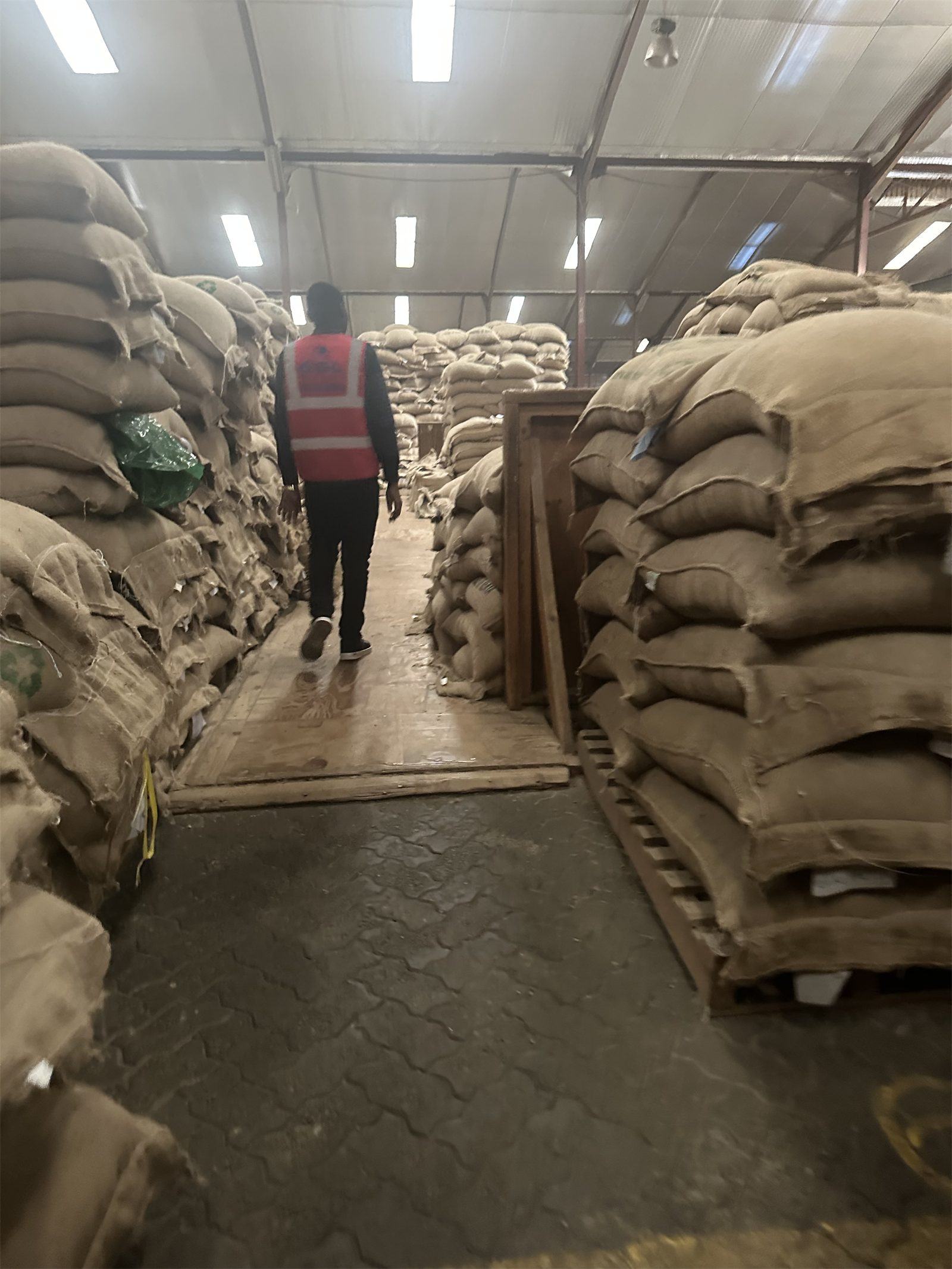
A Mambo Leo founder walking between stacks of 60 kg jute coffee bags in an export warehouse in Kenya
Produce of Kenya
Export grade

Request a sample

Taste the next lot before anyone else

Samples, the current offer list and a traceability sheet for every lot. We reply within two business days.